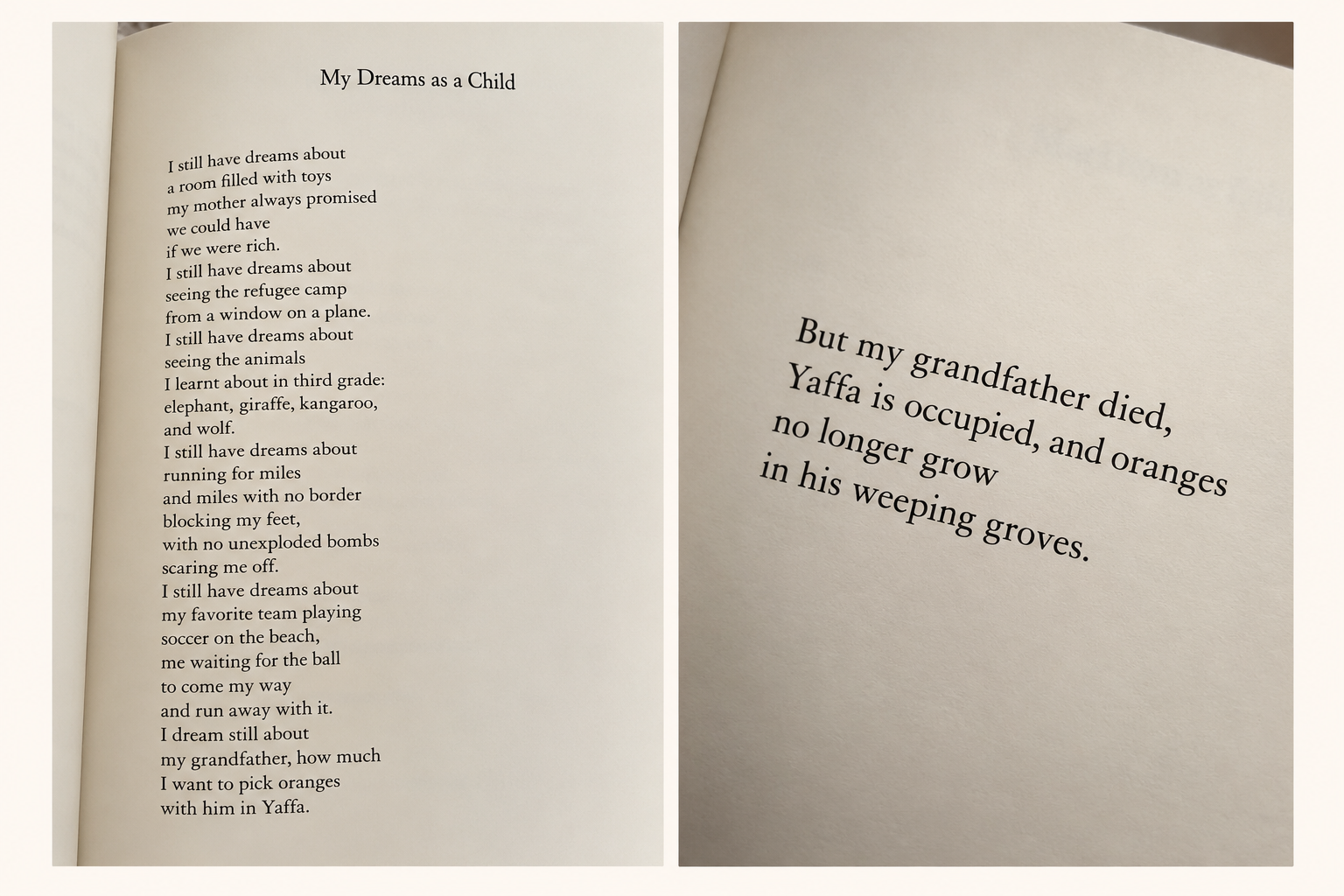
My Dreams as a Child
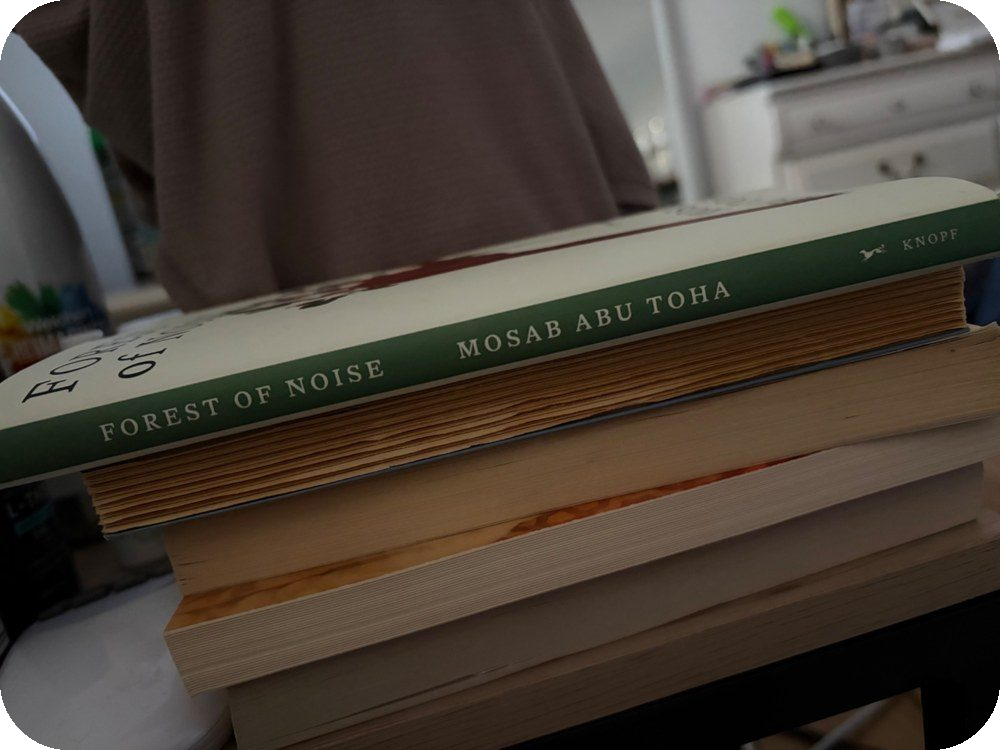
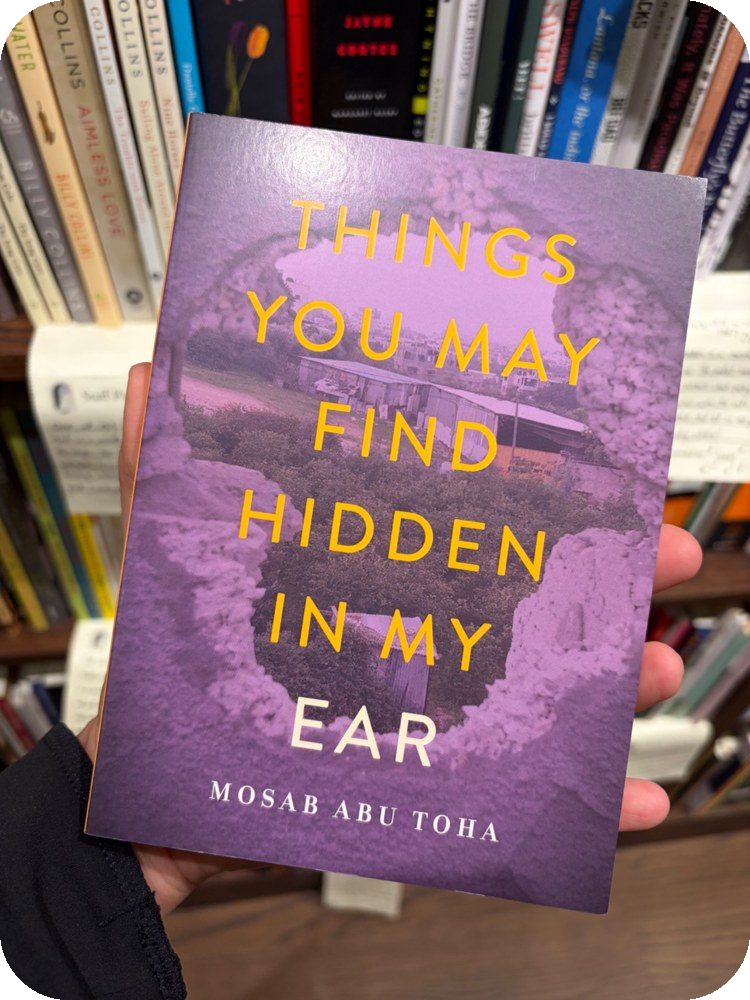
Mosab Abu Toha · Forest of Noise
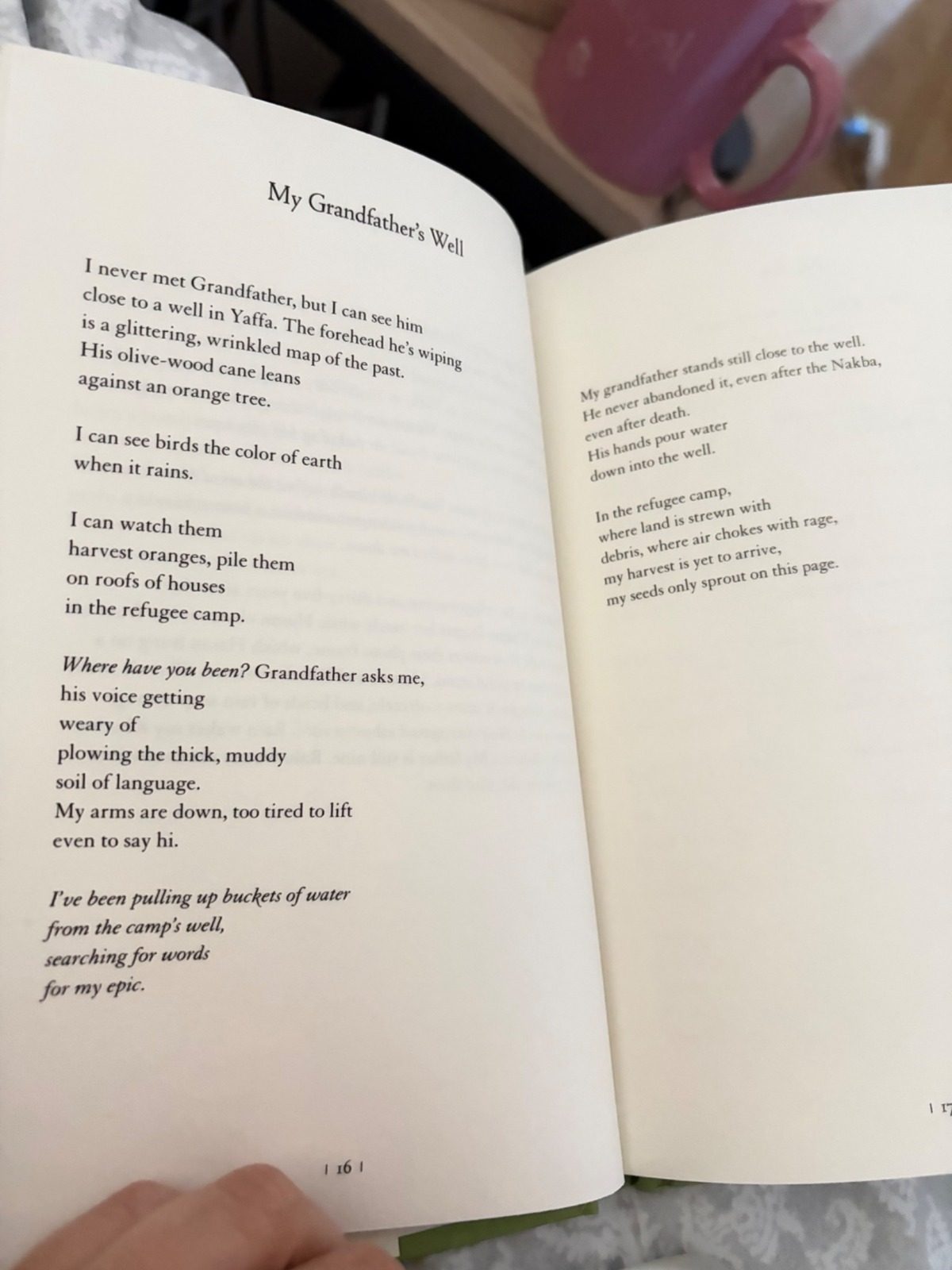
I never met Grandfather, but I can see him close to a well in Yaffa. The forehead he’s wiping is a glittering, wrinkled map of the past. His olive-wood cane leans against an orange tree. I can see birds the color of earth when it rains. I can watch them harvest oranges, pile them on roofs of houses in the refugee camp. Where have you been? Grandfather asks me, his voice getting weary of plowing the thick, muddy soil of language. My arms are down, too tired to lift even to say hi. I’ve been pulling up buckets of water from the camp’s well, searching for words for my epic. My grandfather stands still close to the well. He never abandoned it, even after the Nakba, even after death. His hands pour water down into the well. In the refugee camp, where land is strewn with debris, where air chokes with rage, my harvest is yet to arrive, my seeds only sprout on this page. But my grandfather died, Yaffa is occupied, and oranges no longer grow in his weeping groves.
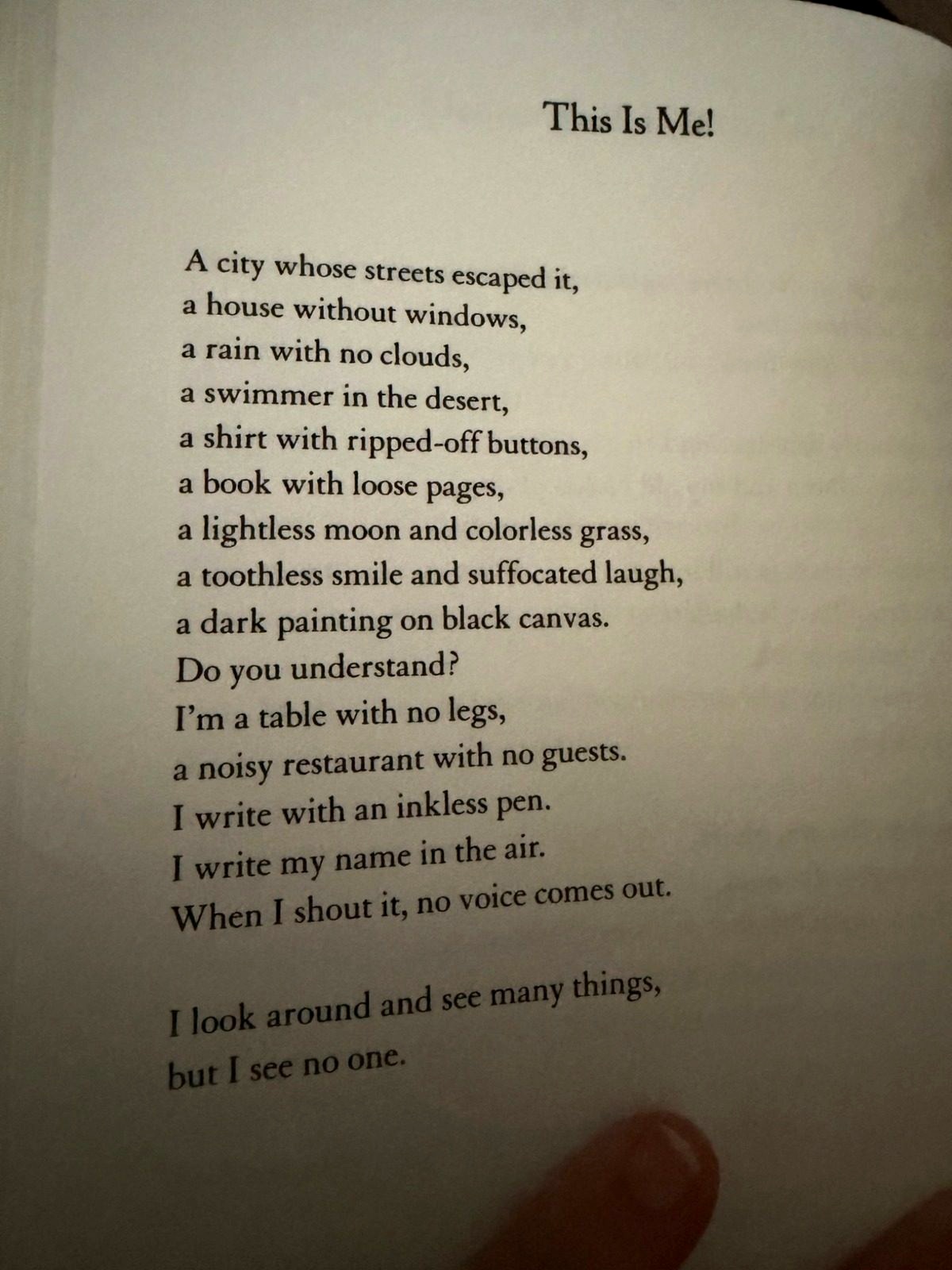
A city whose streets escaped it, a house without windows, a rain with no clouds, a swimmer in the desert, a shirt with ripped-off buttons, a book with loose pages, a lightless moon and colorless grass, a toothless smile and suffocated laugh, a dark painting on black canvas. Do you understand? I’m a table with no legs, a noisy restaurant with no guests. I write with an inkless pen. I write my name in the air. When I shout it, no voice comes out. I look around and see many things, but I see no one.
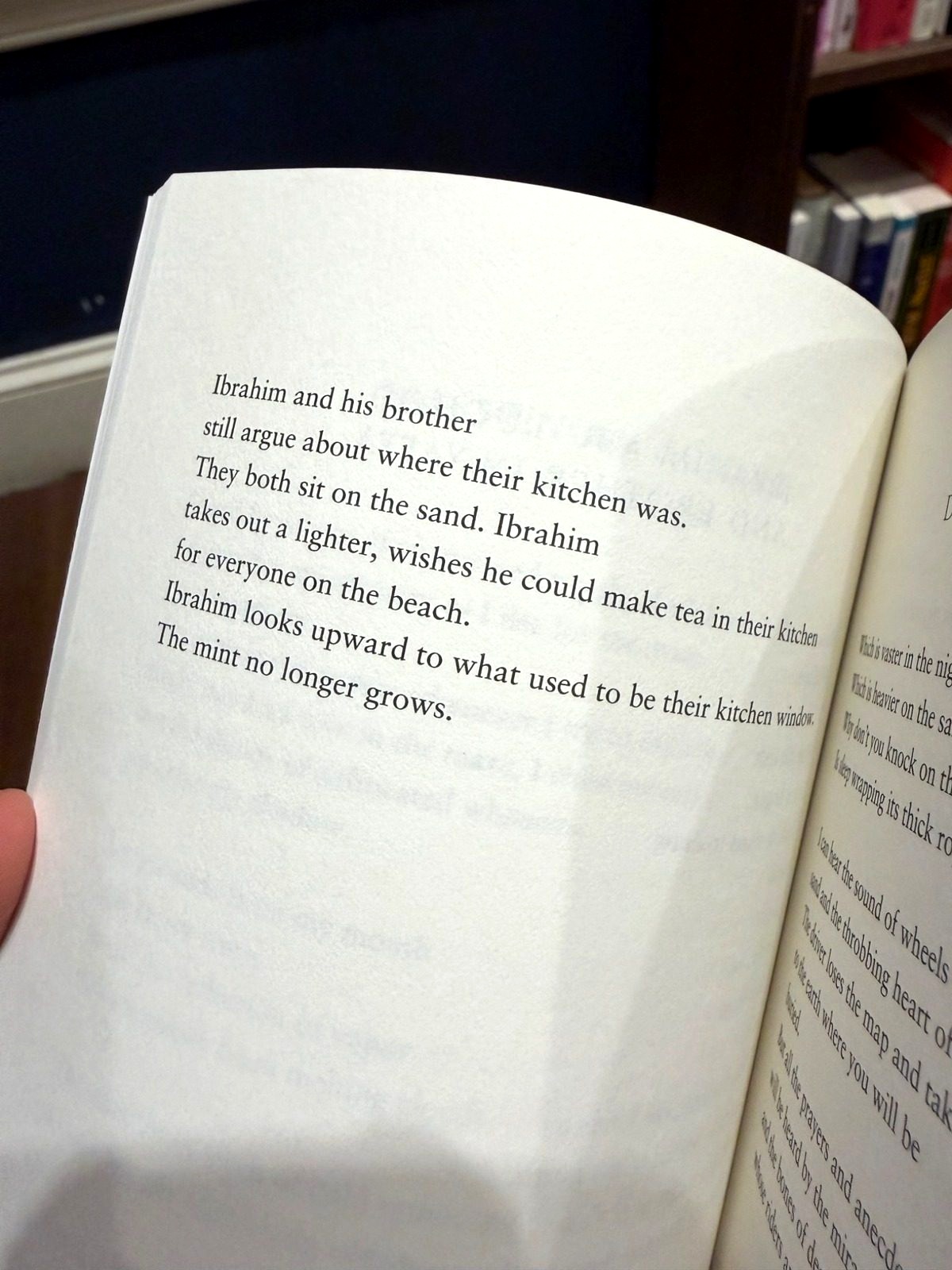
The two walk toward the beach, barefoot. With his soft index finger, Ibrahim starts to draw a map of what used to be their home. ‘No, Ibrahim, the kitchen is a little farther to the north. Oh, don’t step over there, Dad was sleeping there on the couch.’ Tourist kids run by, flying kites. The waves hit the beach, shaded with cloud cover. The mosque on the hilltop calls for prayer. Ibrahim and his brother still argue about where their kitchen was. They both sit on the sand. Ibrahim takes out a lighter, wishes he could make tea in their kitchen for everyone on the beach. Ibrahim looks upward to what used to be their kitchen window. The mint no longer grows.
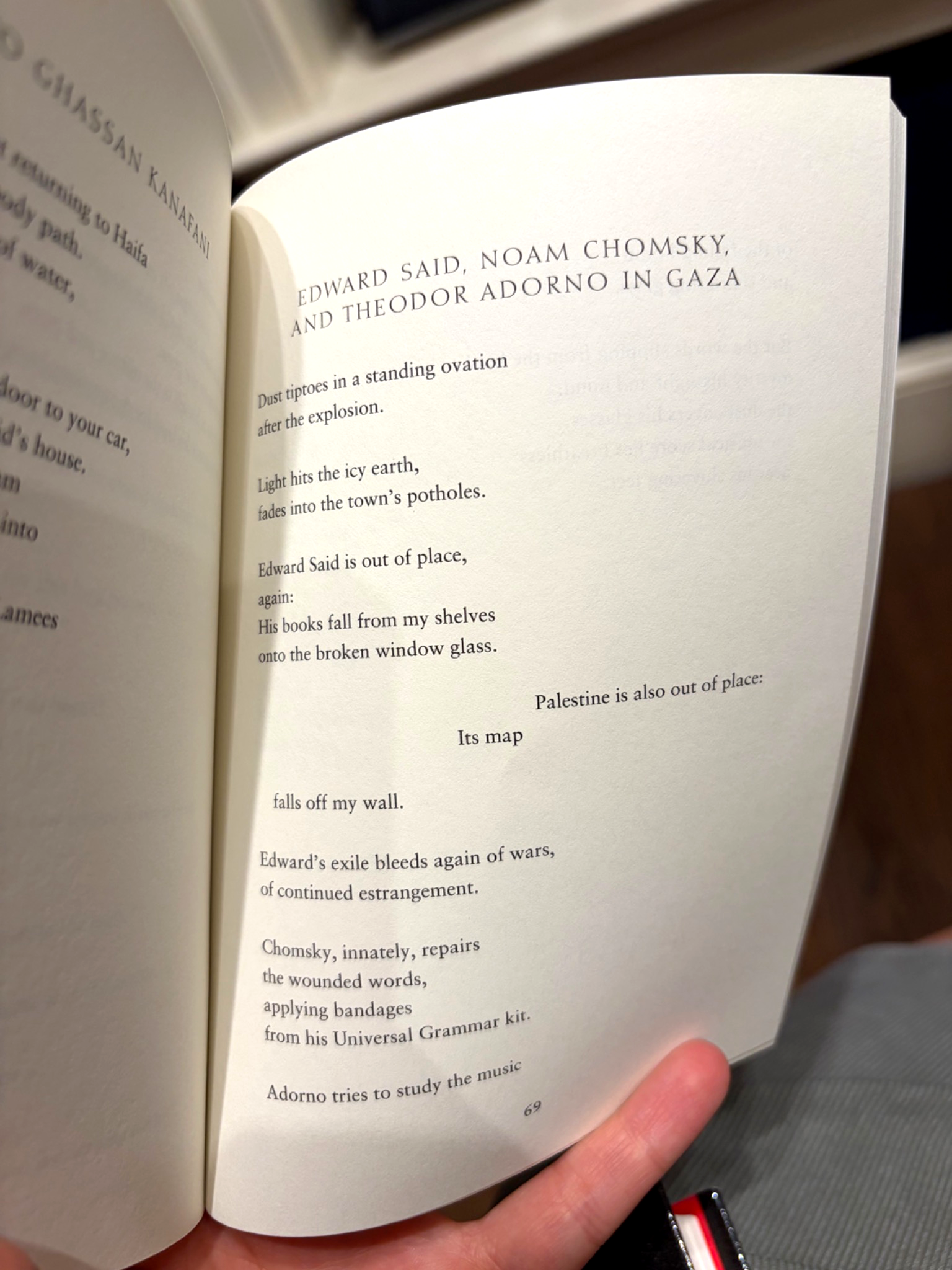
Dust tiptoes in a standing ovation after the explosion. Light hits the icy earth, fades into the town’s potholes. Edward Said is out of place, again: His books fall from my shelves onto the broken window glass. Palestine is also out of place: Its map falls off my wall. Edward’s exile bleeds again of wars, of continued estrangement. Chomsky, innately, repairs the wounded words, applying bandages from his Universal Grammar kit. Adorno tries to study the music
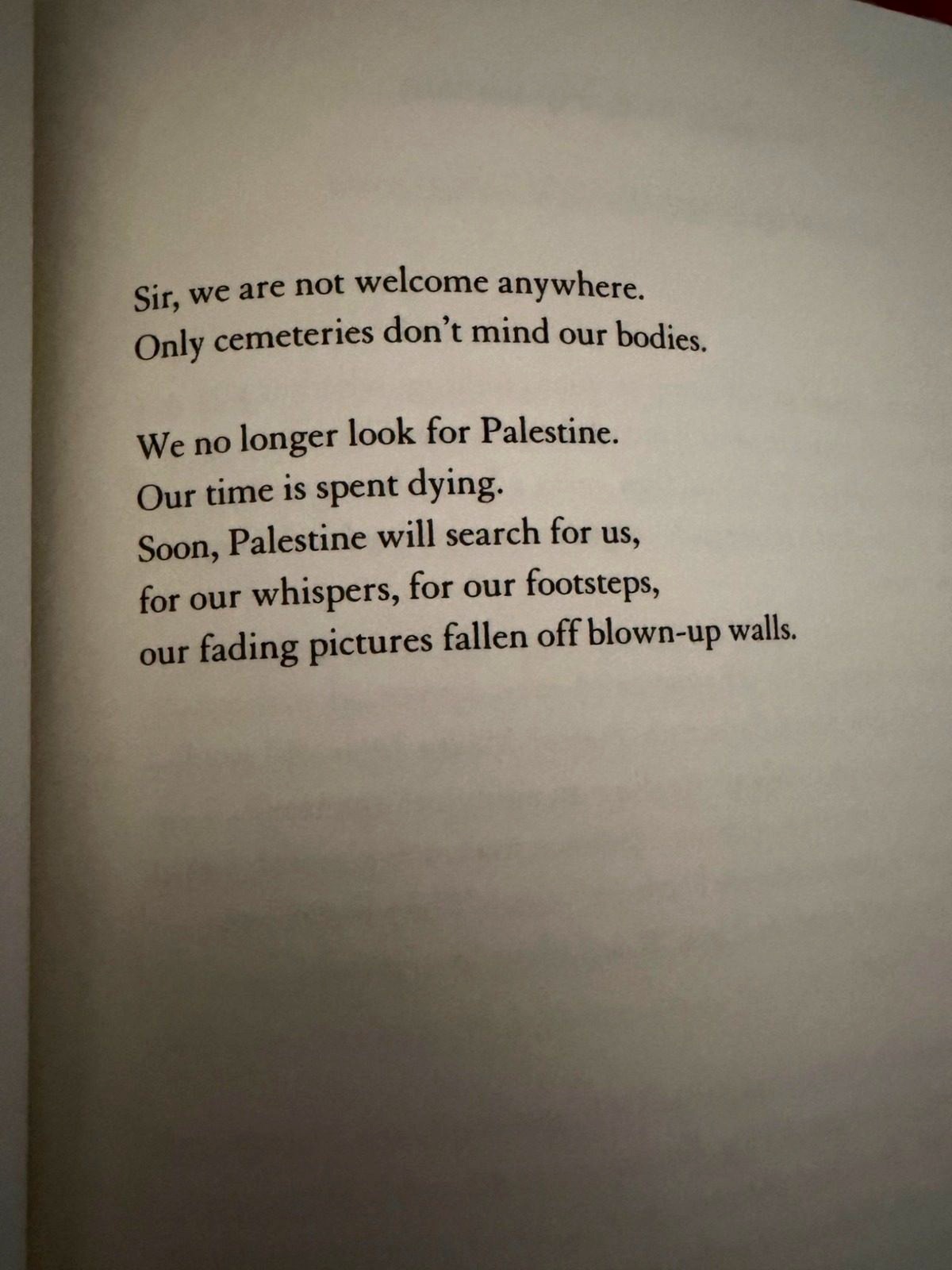
The sun rises and moves around. It sets to visit other places. And we, we are looking for Palestine. The birds wake up and look for food. They chirp on the blossoming trees, laden with fruit, with peaches, apples, apricots, and oranges. And we, we are looking for Palestine. The sea waves lap against the shore. It glitters and dances with the fishers’ boats. And we, we are looking for Palestine. People travel to relatives and friends. They book round-trip tickets, stuff their suitcases with gifts and books and clothes. And we, we are still looking for Palestine. Sir, we don’t have airports and seaports; no trains, no highways. We don’t have passable roads, sir! We do have crutches and wheelchairs. Young men with one or no legs, no longer able to work, as if there was work. We travel to the West Bank or Egypt for surgery or to set a broken leg. They are close to us, but we need a permit to enter. We stuff our suitcases with pictures and memories. They feel very heavy on the ground; we can’t carry them, neither can the roads. They scar the surface of the earth. We get lost in the past, present, and future. When a child is born, we feel sad for him or her. A child is born to suffer here, sir! A mother feels the great pain in labor. A child cries after leaving the dark, but secure place. In Palestine, it is always dark. In Palestine, children always cry. If we want to travel, we leave many times. In Gaza, a place I know well, you leave via Erez or Rafah, a very hard thing to do. (I want to see Tom Cruise and his Mission Impossible team do this.) Then we search for a place to have the visa interview. Cairo? Istanbul? Amman? (But not in Palestine!) We travel in anxiety. We don’t have embassies, sir! The one in Jerusalem is very hard to reach. It is only 97 km away from Gaza but is as far as the Andromeda Galaxy. Andromeda is 2.5 million light years. But all we have are dark years. It should take trillions of years. Sir, we are not welcome anywhere. Only cemeteries don’t mind our bodies. We are no longer looking for Palestine. We are dying. Soon, Palestine will search for us, for our whispers, for our footsteps, for our fading pictures fallen off aging walls of silence.
Abu Toha bears witness to the martyred in Gaza by writing their untold stories.
For essays on the physical and emotional carnage in Gaza that combine deep reporting with the intimacy of memoir to convey the Palestinian experience of more than a year and a half of war with Israel.
This year, I learned the difference between a traveller and a refugee.
Abu Toha reflects on what he lost in Gaza and his hopes for his homeland.
A profile of Abu Toha’s displacement from Gaza, his family’s losses, and the stories he preserves through poetry.
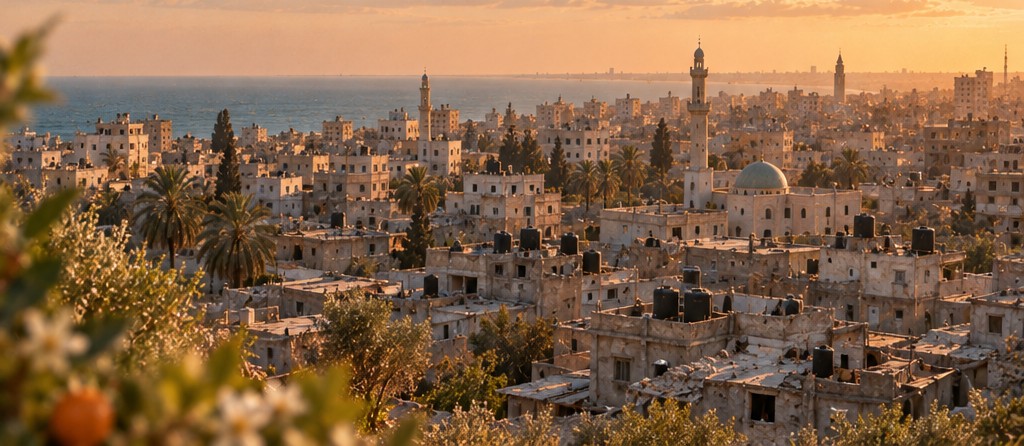
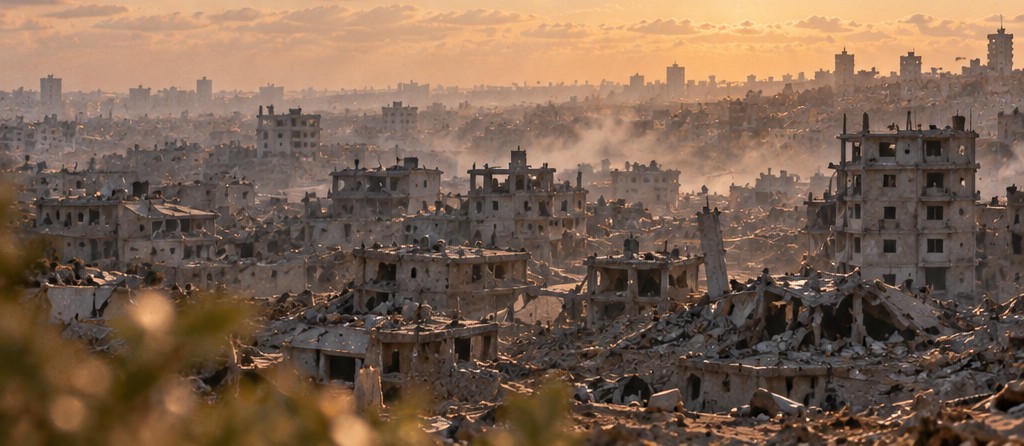
Before the destruction
Double-click or double-tap the image to see the change. Use Enter on a keyboard.
Artistic interpretations, not archival photographs.